
Custom Marquee Bulb Signs: Structure, Options and Best Uses for Brands
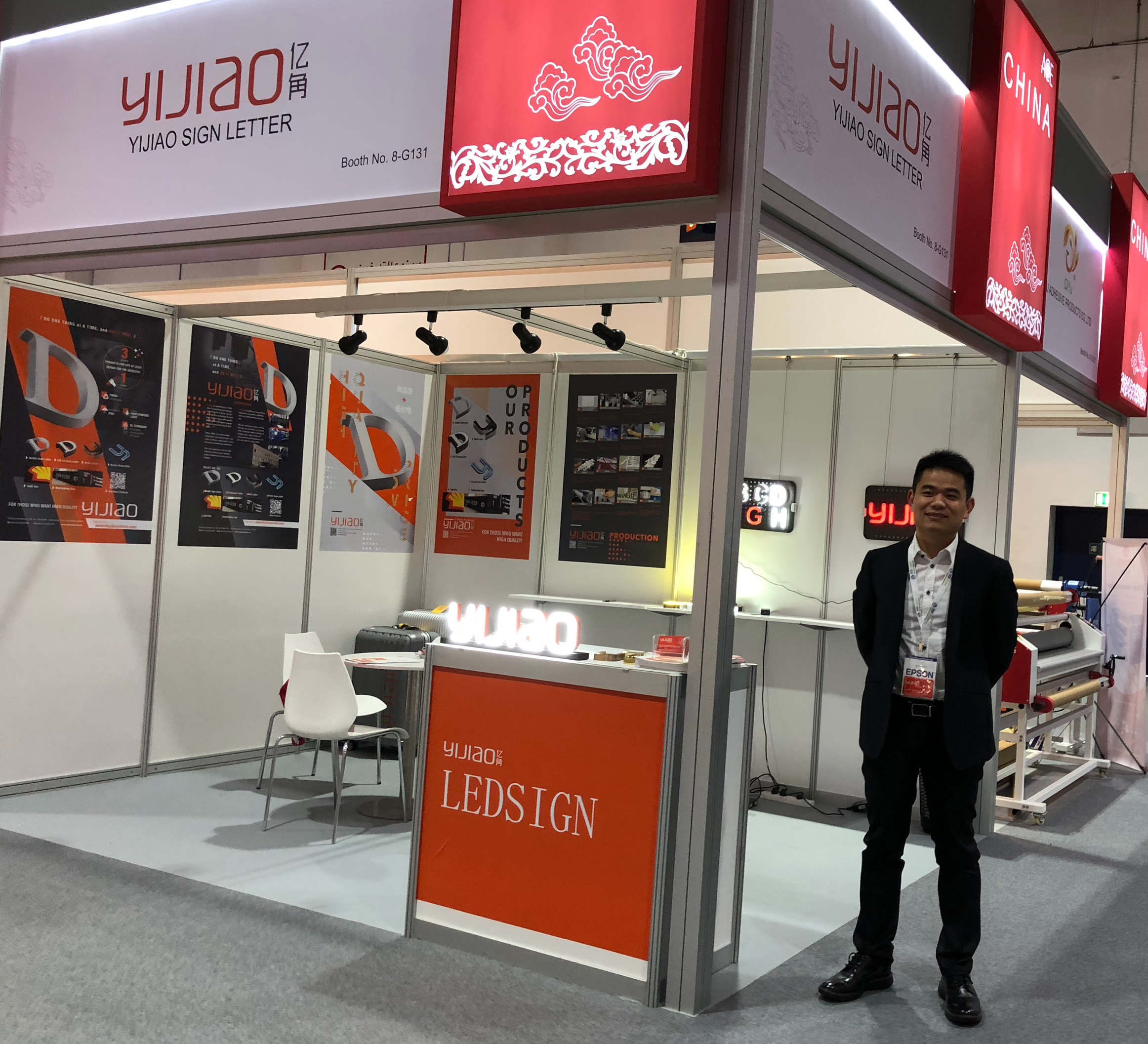
Marquee bulb signs have a special advantage: they feel familiar before a customer even reads the name. The exposed bulbs, three-dimensional letters and warm vintage glow can turn a storefront, bar, restaurant, event booth or photo wall into a more memorable brand scene. For many businesses, that emotional effect is exactly why bulb signs continue to work so well, even as modern LED signage becomes more efficient and more customizable.
At the same time, a good bulb sign is not only about decoration. For commercial projects, buyers also need to understand the structure, light source, finish, installation method and long-term maintenance. A sign that looks good in a rendering still needs to be practical on a wall, ceiling, stage, facade or freestanding display.
This guide explains how custom marquee bulb signs are usually designed, what options matter most, and how to choose a sign that fits your brand environment.
What is a marquee bulb sign?
A marquee bulb sign is an illuminated sign made with dimensional letters, shapes or logos, combined with visible bulbs or bulb-style LED light sources. It is also called a bulb sign, light bulb letter sign, light up letter, fairground light, or vintage marquee sign.
The most common designs use a fabricated metal shell, an open face or semi-open face structure, and evenly spaced bulbs on the front. Depending on the project, the bulbs can be traditional E27 screw bulbs, LED globe bulbs, acrylic globe lights, pixel-style bulbs or other low-voltage LED options.
The result is bold, bright and easy to recognize. During the day, the letter shape and painted metal finish create a strong visual identity. At night, the bulbs add depth, rhythm and atmosphere.
Why brands still choose bulb signs
Bulb signs are popular because they combine signage and mood. A flat sign tells people where you are. A well-made bulb sign helps people remember the place.
For restaurants, cafes and bars, the warm light creates a welcoming and social feeling. For retail stores, it helps a storefront stand out from nearby signs. For weddings, events and exhibitions, marquee letters work as both signage and a photo backdrop. For hotels, cinemas, entertainment venues and brand activations, the retro look can feel premium, playful or theatrical depending on the finish and color.
Modern LED bulb signs also solve many of the old problems of traditional light bulb displays. LED bulbs use less power, generate less heat and require less maintenance. They can be designed for indoor or outdoor use, with stable brightness and more control over color temperature, bulb shape and lighting effect.
Core structure of a custom bulb sign
A professional bulb sign normally starts with a 3D letter or logo shell. Stainless steel, aluminum, brass or painted metal are commonly used depending on the desired finish and environment. The shell gives the sign its depth, strength and clean side profile.
The front can be open face, with bulbs mounted directly on the metal surface, or combined with acrylic details for a softer light effect. Some projects use transparent or frosted acrylic globe bulbs to create a more even glow. Others use E27 screw bulbs for a stronger vintage style.
Inside the sign, wiring, LED modules or bulb holders must be arranged neatly. A good structure should make installation and future maintenance easier, not only look attractive from the outside. For outdoor projects, water resistance, drainage, sealing and safe power supply planning become especially important.
Custom options that change the final look
The first decision is the letter or logo style. Block letters create a bold retail look. Script fonts feel more decorative and are often used for events, restaurants or lifestyle brands. Custom logos, arrows, icons and shaped panels can also be made when the project needs something more distinctive than standard letters.
The second decision is bulb type. Clear bulbs create a crisp, classic look. Milky white bulbs feel softer and more elegant. Frosted acrylic globe bulbs reduce glare and make the light more comfortable. LED pixel or globe light sources can be useful when the project needs stronger color effects or programmable lighting.
Color temperature also matters. Warm white, such as 3000K, is usually best for restaurants, bars, cafes and vintage interiors. Neutral white around 4000K can feel cleaner for retail and brand displays. Cooler white can work for modern spaces, but it should be used carefully because it may reduce the warm nostalgic effect that makes bulb signs appealing.
The finish is another major design choice. Painted metal is flexible and brand-friendly. Brushed stainless steel looks clean and durable. Brass, gold, aged, rusted or polished finishes can create a more premium or theatrical style. For outdoor signs, powder coating is often a practical choice because it improves durability and color stability.
Where bulb signs work best
Bulb signs are especially strong in places where visual atmosphere matters. Restaurants and cafes can use them as storefront signs, menu-area accents or wall features. Bars and clubs can use larger bulb letters to build energy and create social media moments. Retail stores can use them for window displays, product zones or brand names above the entrance.
They also work well for exhibitions, trade shows, pop-up stores, weddings and brand events because they are easy to notice from a distance and photograph well. For offices and creative studios, smaller bulb signs can bring personality to reception areas, meeting rooms or lounge spaces.
For cinemas, theaters and entertainment venues, marquee bulb signs are almost a natural fit. The lighting language already connects with stage, film and performance culture.
Installation methods to confirm early
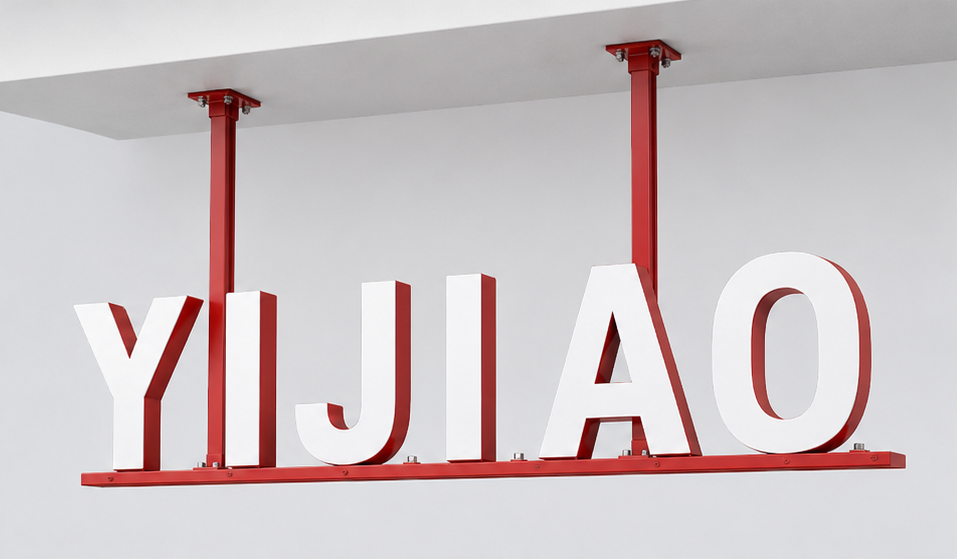
Before production, the installation method should be clear. Wall-mounted bulb signs are common for storefronts and interior walls. Ceiling-hung signs can work for bars, retail displays and event spaces. Freestanding letters are useful for weddings, exhibitions and photo backdrops. Raceway installation can help simplify wiring and reduce the number of holes required on the wall.
The installation environment also affects the structure. Indoor signs usually focus more on appearance and wiring convenience. Outdoor signs need stronger weather protection, secure mounting and suitable power planning. If the sign will be moved frequently, weight, packing, connectors and repair access should be considered from the beginning.
What to prepare before requesting a quote
A clear quote starts with clear information. Buyers should prepare the text or logo file, approximate size, indoor or outdoor use, preferred finish, bulb type, lighting color, installation method and target delivery date. If the sign must match an existing storefront, wall color, brand guideline or event design, reference photos are helpful.
For custom logo signs, vector artwork is strongly recommended. AI, PDF, EPS or CAD files allow the factory to check letter strokes, bulb spacing and structural feasibility more accurately. If the logo has very thin details, the design may need adjustment so that bulbs, wiring and metal fabrication can fit properly.
Why engineering matters as much as style
The best marquee bulb signs look effortless, but the production behind them is technical. Bulb spacing affects both visual rhythm and brightness. Letter depth affects wiring, shadow and side appearance. Material thickness affects strength and weight. Power supply selection affects safety and long-term stability.
This is why design proofing is important. Before production, a good supplier should confirm the layout, size, finish, bulb type, wiring method and installation details. For commercial signage, the goal is not only to make a beautiful sign, but to make a sign that can be installed, used and maintained with confidence.
Final thoughts
Custom marquee bulb signs are a strong choice when a brand wants more than basic illumination. They add warmth, character and instant visibility, while modern LED technology makes them more efficient and flexible than traditional bulb displays.
Whether the project is a restaurant facade, retail storefront, hotel feature wall, event backdrop or entertainment venue, the best result comes from matching the design style with the right structure, bulb option, finish and installation plan.
Explore YIJIAO custom bulb signs:


Comments