
Which Display Fixtures Can Help You?

Ever walked into a store and found yourself drawn to a beautifully arranged display? It’s not magic—it’s strategic retail merchandising at play. A well-crafted display grabs attention, influences buying decisions, and boosts sales. In this guide, we’ll explore how to create displays that work hard for you.

1. What Is a Retail Merchandising Display?
Retail merchandising displays are more than just shelves or tables—they are carefully planned setups that grab attention and guide customers through their shopping experience. These displays are designed to increase visibility and encourage impulse buys.

2. The Psychology Behind Effective Merchandising
Retail displays play on human psychology to influence shopping behavior. From color choices to lighting, here’s how displays can steer your customers:
Color Psychology: Different colors evoke different emotions—red creates urgency, blue builds trust, and green promotes calm.
Lighting: Use lighting to highlight key products. Accent lighting makes certain items pop, while ambient lighting sets the overall mood.
Layout: The way you arrange your store can influence customer movement. Feature walls at the entrance or near high-traffic areas often draw more attention.
3. Must-Try Types of Retail Merchandising Displays
Different types of displays work for different products. Here are some effective options:

Window Display
A window display is an essential tool for drawing customers into the store. It’s typically used to feature new arrivals, seasonal items, or limited-time promotions. A well-designed window display can create strong buying intent among passersby.

Cosmetic Display Table
A cosmetic display table is often used to showcase cosmetics, skincare, and other personal care products. This type of display appeals to customers by presenting products in a well-organized, visually attractive manner, encouraging close interaction and boosting purchase intent.
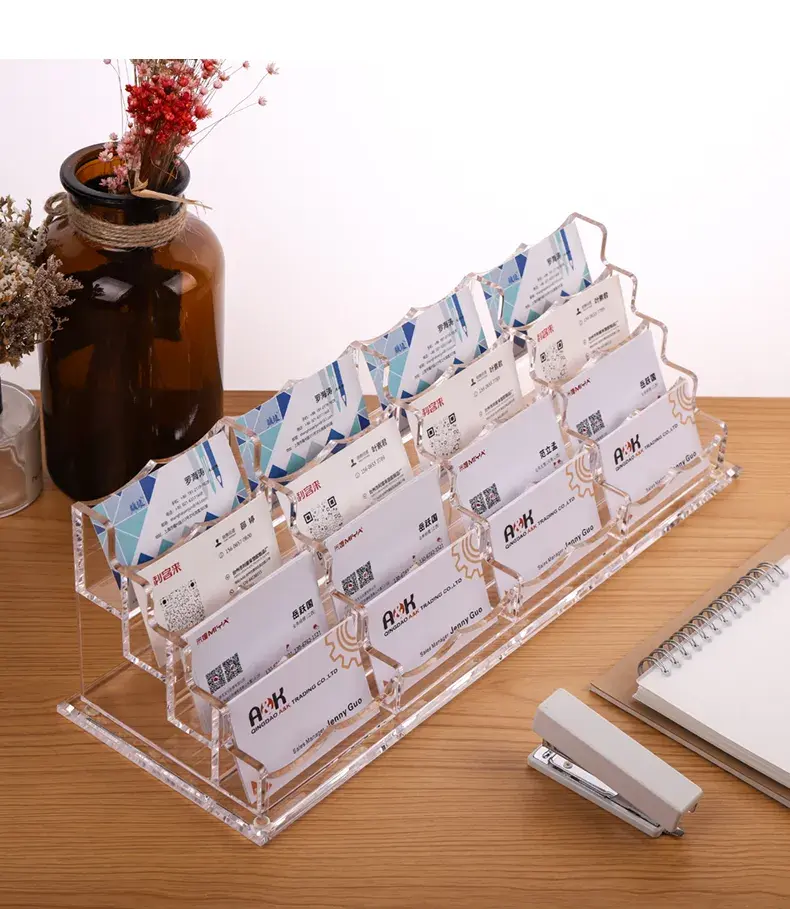
Acrylic Display Fixtures
Acrylic display fixtures are widely loved for their modern look and transparency. They are ideal for displaying small items like jewelry, watches, or electronics. Acrylic displays are both attractive and durable, providing clear visibility and highlighting the key features of the product.

4. Tips for Boosting Sales with Displays
Effective merchandising displays can significantly increase sales. Here’s how to make them work:
Cross-Merchandising: Place complementary products together to encourage customers to purchase more, like pairing shoes with a matching bag.
Leverage Urgency: Use limited-time offers or seasonal themes to create a sense of urgency.
Technology Integration: Incorporate digital signage or QR codes to provide real-time product info or exclusive offers.

5. Custom vs. Standard Displays: Which Is Right for You?
Custom displays allow you to perfectly match your brand’s identity, but they come at a higher cost and require more time to produce. Standard displays are quicker and more affordable but might lack that personalized touch.

6. Maintenance: Keep Your Displays Fresh
A display is only effective if it stays fresh and engaging. Regularly update your products, clean your displays, and train staff to keep everything neat.
Rotate Products: Change out products every few weeks to keep the display relevant and exciting.
Regular Cleaning: Wipe down surfaces and fix any disorganized items to maintain a polished look.
Conclusion
Retail displays are a powerful tool to attract customers, enhance their shopping experience, and boost sales. By understanding basic principles like color psychology, layout, and the right display types, you can create displays that leave a lasting impression.
Start experimenting with different layouts, themes, and strategies, and watch as your sales soar!


Comments