
ADA Braille Signs Guide: Requirements, Materials, Applications & Project Planning
Introduction
ADA Braille signs are essential for creating accessible, inclusive, and easy-to-navigate buildings. They help visually impaired users identify rooms, directions, emergency areas, and public facilities through tactile characters and Braille dots.
For architects, contractors, facility managers, and signage buyers, choosing the right ADA Braille signage is not only about appearance. It also involves tactile readability, material selection, visual contrast, installation location, and long-term durability.
This guide explains the key requirements, materials, production methods, applications, and project planning considerations for custom ADA Braille signs.
ADA Braille signs are tactile signs that combine raised characters, Braille dots, pictograms, and high-contrast visual information.
Unlike standard printed signs, ADA Braille signs are designed to be read both visually and by touch. They are commonly used for permanent room identification, restrooms, elevators, stairwells, exits, offices, hospital rooms, classrooms, hotel rooms, and public facilities.
A typical ADA Braille sign may include:
Raised tactile letters
Grade 2 Braille
Clear pictograms
High-contrast colors
Matte or non-glare finish
Durable background panel
Proper installation height and location

What Makes an ADA Braille Sign Compliant?
An ADA Braille sign should be designed with both tactile readability and visual clarity in mind.
Raised letters should be clear, easy to touch, and simple to read. Clean sans-serif lettering is commonly used for better tactile recognition. Fonts should not be decorative, overly bold, italic, or cursive.
Braille should be positioned consistently below the corresponding text. Dome-shaped Braille dots are preferred because they are easier to identify by touch than flat or sharp dots.
Good contrast between the background and the text helps users read the sign more easily. A matte or non-glare finish is also important, especially in bright interiors such as hospitals, offices, and public buildings.
For U.S. ADA projects, tactile characters are commonly installed so the baseline of the lowest tactile character is at least 48 inches above the finished floor, and the baseline of the highest tactile character is no more than 60 inches above the finished floor. Final compliance should always be confirmed with the project architect, contractor, or local code consultant.
Materials for ADA Braille Signs
Different projects require different materials. The best choice depends on budget, design style, indoor or outdoor use, cleaning requirements, and the overall signage system.


Acrylic ADA Signs
Acrylic is widely used for indoor ADA signs because it is lightweight, cost-effective, and easy to customize.
Best for:
Office room signs
School signs
Restroom signs
Standard interior wayfinding
Stainless Steel ADA Signs
Stainless steel offers a premium metallic appearance and strong durability. It is suitable for high-end environments and demanding public spaces.
Best for:
Hospitals
Hotels
Corporate buildings
Public facilities
Outdoor or semi-outdoor areas
Brass ADA Signs
Brass provides a warm and premium finish, making it suitable for luxury interiors, hotels, clubs, and heritage-style buildings.
Best for:
Hotels
Premium office spaces
High-end commercial interiors
Decorative wayfinding systems
Aluminum and ABS ADA Signs
Aluminum is lightweight and durable, while ABS is practical for cost-effective indoor signage. These materials are useful for large projects requiring many room signs.
Best for:
Schools
Offices
Commercial buildings
Bulk signage programs
Custom Options for ADA Braille Signs
Custom ADA Braille signs can be designed according to project needs.
Common customization options include:
Background panel material: acrylic, stainless steel, brass, aluminum, ABS
Text and icon material: acrylic, stainless steel, brass, aluminum
Braille bead material: stainless steel, brass, clear acrylic, white acrylic, black acrylic
Finish options: painting, brushed finish, mirror finish, anodized finish
Custom size, shape, layout, color, pictogram, and mounting method
This flexibility makes ADA signage easier to match with the overall interior design and building wayfinding system.
How ADA Braille Signs Are Made
Different production methods create different visual effects, durability levels, and cost structures.

3D UV Printed Raised Text
3D UV printing builds ink layer by layer to create raised tactile characters directly on the sign surface. This method is flexible, cost-effective, and suitable for many indoor ADA signage applications.

Glued Acrylic Letters
Laser-cut acrylic letters can be manually applied to the sign surface to create a raised effect. This method gives the sign more depth and a more premium appearance.

Embossed Stamping
Embossed stamping forms raised characters directly into the material using molds or pressing techniques. It provides an integrated finish and is suitable for durable, repeatable production.

CNC-Stamped Stainless Steel Braille
For demanding environments such as marine or outdoor projects, stainless steel signs with CNC-stamped Braille can provide strong tactile performance and long-term durability.
ADA Braille signage is used across many building types. Each environment has different navigation and durability needs.
Hospital ADA Signage
Hospitals require clear and reliable signage because visitors, patients, and staff need to navigate complex areas quickly.
Common signs include:
Patient rooms
Restrooms
Elevators
Emergency exits
Nurses stations
Radiology and procedure rooms
School ADA Signage
Schools and universities use ADA signs to support safe and independent navigation across campus buildings.
Common signs include:
Classrooms
Libraries
Laboratories
Lecture rooms
Dormitories
Medical rooms
Hotel ADA Signage
Hotels require ADA signage for guest comfort, safety, and accessibility.
Common signs include:
Room numbers
Restrooms
Elevators
Stairs
Emergency routes
Amenities and dining areas
Office ADA Signage
Office buildings use tactile signage to identify workspaces and improve daily navigation.
Common signs include:
Meeting rooms
Staff offices
Restrooms
Storage rooms
Parking areas
Lounge areas
Cruise and Marine ADA Signage
Cruise and marine environments require signage that can handle humidity, cleaning, and frequent public use.
Common signs include:
Cabins
Liferaft areas
Assembly points
First aid rooms
Changing rooms
Accessible routes
Proper installation is important for accessibility and usability.
For project planning, consider:
Install tactile signs near the correct door or room entrance
Keep signs easy to reach and identify by touch
Avoid placing tactile signs where door swing may block access
Use secure adhesive, screws, studs, or other suitable mounting methods based on the wall surface
Confirm height and placement with project requirements before installation
Braille should be located below the corresponding text and kept away from borders or decorative elements so it can be read clearly by touch.
How to Plan a Custom ADA Signage Project
Before ordering custom ADA Braille signs, prepare the following information:
Sign list
Include room names, numbers, icons, and quantities.
Artwork or layout requirements
Provide logo files, pictogram requirements, fonts, and color preferences.
Material and finish requirements
Choose acrylic, stainless steel, brass, aluminum, or ABS based on application.
Installation environment
Confirm whether signs will be used indoors, outdoors, near water, or in high-traffic areas.
Mounting method
Decide whether adhesive, screw, stud, or standoff mounting is needed.
Compliance review
For U.S. projects, confirm ADA requirements with the project architect, contractor, or local code consultant.
Why Choose YIJIAO for ADA Braille Signs?
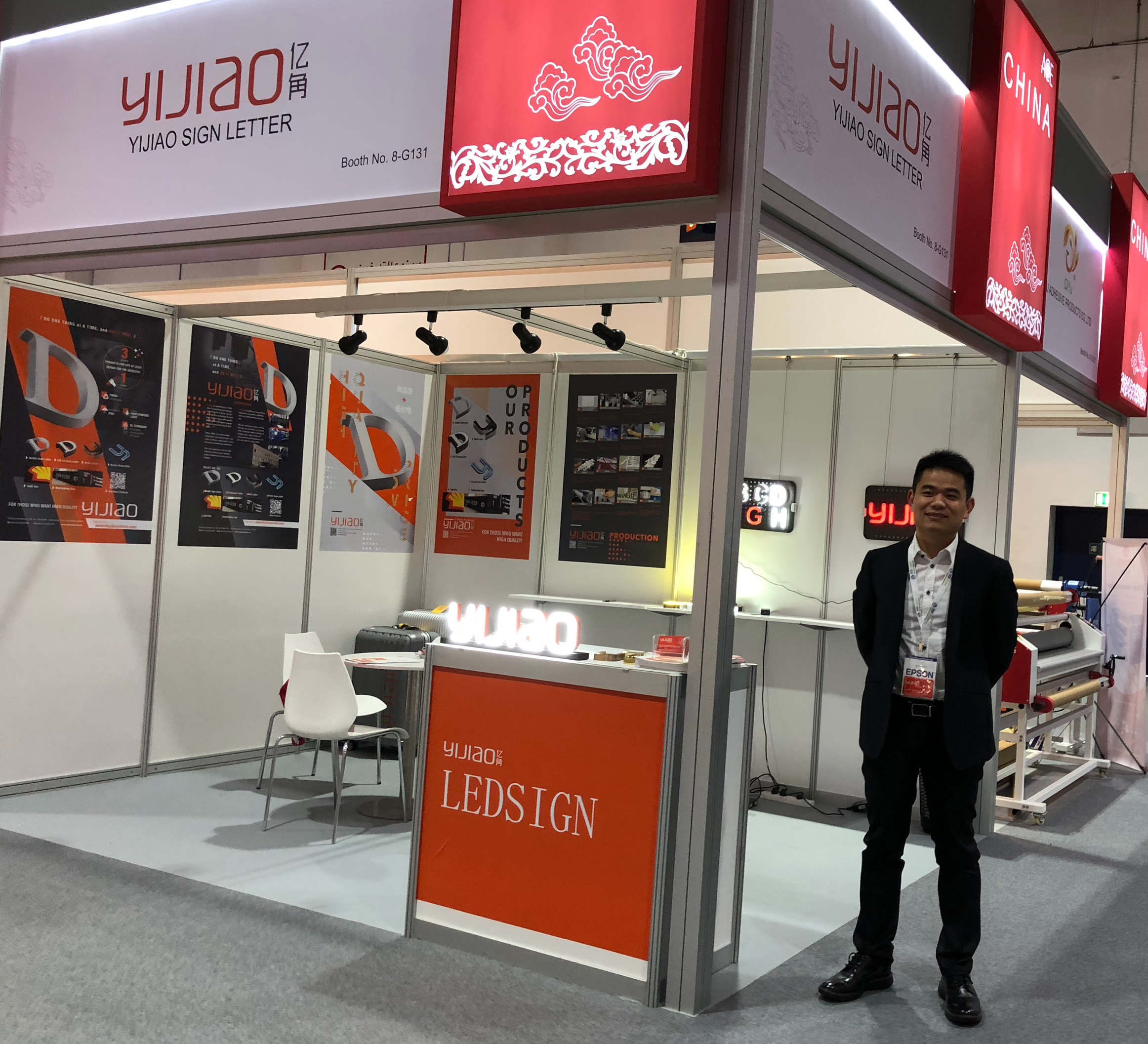
YIJIAO provides custom ADA Braille signs and tactile signage solutions for offices, hotels, hospitals, schools, cruise projects, and public buildings.
Our capabilities include:
Custom materials, colors, sizes, and finishes
Raised tactile lettering
Braille bead options
3D UV printing, acrylic lettering, and stamping processes
OEM and ODM project support
Production support for single signs and complete signage systems
For complete accessible signage and wayfinding projects, YIJIAO can help match ADA Braille signs with room signs, directional signs, directory signs, and architectural signage systems.
Frequently Asked Questions
What are ADA Braille signs?
ADA Braille signs are tactile signs with raised characters and Braille dots. They help visually impaired users identify rooms, directions, exits, and public facilities.
What materials are used for ADA Braille signs?
Common materials include acrylic, stainless steel, brass, aluminum, and ABS. The best material depends on the project environment, budget, and design style.
Where are ADA Braille signs commonly used?
They are commonly used in hospitals, schools, hotels, offices, cruise ships, public buildings, restrooms, elevators, stairwells, and permanent room identification areas.
Can ADA Braille signs be customized?
Yes. ADA Braille signs can be customized by size, material, color, finish, icon, text, Braille bead type, and mounting method.
How should ADA Braille signs be installed?
They should be installed at accessible locations and heights according to project requirements. For U.S. ADA projects, tactile character baselines are typically placed between 48 and 60 inches above the finished floor.
Conclusion
ADA Braille signs are an important part of accessible building design. A good signage system should be easy to read, easy to touch, durable, and visually consistent with the surrounding environment.
By choosing the right materials, tactile production method, finish, and installation plan, project owners can create safer and more inclusive spaces for all users.
YIJIAO offers custom ADA Braille signs and tactile wayfinding solutions for architectural, commercial, hospitality, healthcare, education, and public facility projects.
Contact YIJIAO to discuss your custom ADA Braille signage project.


Comments